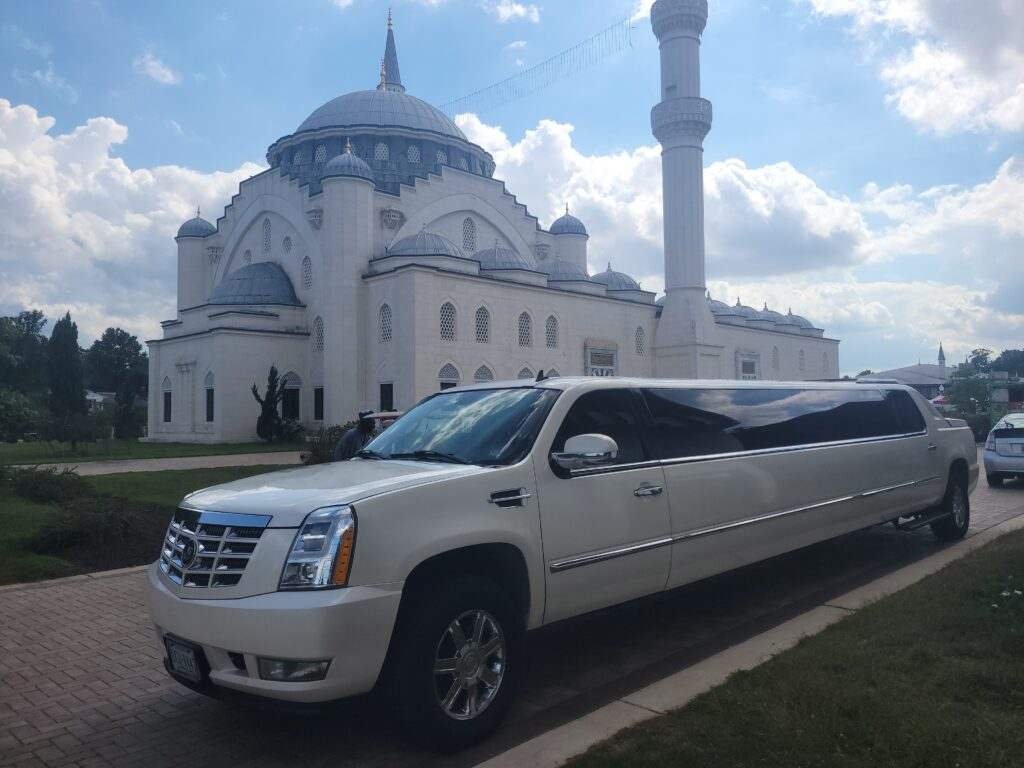
When a family is planning a funeral, there are many details to manage during an already difficult time. Transportation is one of them, but it is often more important than families realize. Getting immediate family members, close relatives, and other guests from one location to another safely and on time helps the day proceed with fewer interruptions. A funeral procession also carries emotional and ceremonial importance. Traveling together from a funeral home to a place of worship, cemetery, or other final destination allows family members and friends to remain together during the service. A professional funeral limousine can provide a quiet, comfortable setting while helping the procession stay organized.
Why Funeral Transportation Matters During a Funeral
Funeral transportation is not simply a way to move people between locations. It is part of the overall planning process and can help families maintain a sense of order throughout the day.
Funeral services may involve several stops. A family could need to travel from a residence to a funeral home, then to a church, cemetery, reception, or another location. Coordinating several personal vehicles can make this more complicated, especially when parking is limited or attendees are unfamiliar with the route.
A professional Funeral transportation service gives families another option. Instead of asking relatives to coordinate directions, parking, and arrival times individually, passengers can travel together according to a planned schedule.
Keeping Family Members Together
Immediate family members often need to remain close throughout the funeral. A limousine provides shared transportation so relatives can travel together instead of arriving separately.
This can be especially helpful when family members are traveling from different cities or when some relatives do not have access to a vehicle. It also means fewer people need to worry about navigating unfamiliar roads or finding parking at the cemetery.
Helping Maintain the Procession
A funeral procession generally follows an established route and schedule. Delays involving individual vehicles can affect the entire group.
Professional transportation providers typically plan routes and pickup times. This can make it easier for the family and funeral home to coordinate the day’s movements.
How Funeral Limousines Make the Process Easier
A well-organized Funeral limo service can reduce some of the practical responsibilities placed on family members. Instead of designating a relative to drive other family members, everyone can focus more fully on the service.
Professional Chauffeurs
A Funeral chauffeur service provides a professional driver who handles the road and navigation. This can be particularly valuable when passengers are dealing with grief and may not want the added responsibility of driving.
The chauffeur can also help passengers enter and exit the vehicle when appropriate and follow the planned itinerary. Before making a reservation, ask the provider about the driver’s experience with funeral transportation.
Comfortable Travel Between Locations
Funerals can involve several hours of standing, walking, and social interaction. Having a comfortable vehicle available between locations gives family members a chance to sit quietly and prepare for the next part of the day.
For older relatives or people with mobility limitations, reducing unnecessary walking between parking areas and venues can also make transportation easier.
Fewer Parking Concerns
Parking can become challenging at churches, cemeteries, funeral homes, and other venues, particularly when many people attend a service.
Using one vehicle for several passengers can reduce the number of cars arriving at each location. It can also make it easier for the funeral director or transportation coordinator to keep track of immediate family members.
What to Consider When Choosing a Funeral Limousine
Not every transportation provider offers the same services. Families should compare practical details before making a booking. Passenger Capacity
Start by determining how many people need transportation. A smaller limousine may work for immediate family members, while a larger vehicle may be more appropriate when several relatives need to travel together.
Ask the provider for the actual passenger capacity rather than assuming every limousine has the same amount of space. Comfort can become an issue if a vehicle is filled beyond what is practical for a longer journey.
Pickup and Drop-Off Locations
Provide the transportation company with every location involved in the funeral schedule. This may include a residence, funeral home, church, cemetery, reception venue, or airport.
Multiple stops can affect the total cost and timing, so the provider should know the complete itinerary before giving a final quote.
Timing and Scheduling
Funeral schedules generally leave little room for delays. Ask how early the vehicle will arrive before the scheduled pickup and how the company handles unexpected changes.
It is also useful to provide the funeral home with the transportation company’s contact information. This gives the parties a direct way to communicate if the schedule changes.
Accessibility Needs
Families should discuss accessibility requirements before booking. If an elderly passenger has difficulty climbing stairs or someone uses a wheelchair or walker, the provider should know in advance.
A standard limousine may not be suitable for every passenger. In some cases, another type of vehicle may provide more appropriate access.
How Funeral Transportation Works on the Day
Good planning begins well before the funeral. Once the family has chosen a provider, the transportation company should receive the complete schedule and passenger information.
On the day of the service, the driver generally arrives at the agreed pickup location and transports passengers according to the planned itinerary. Depending on the arrangement, the vehicle may remain available between different parts of the service.
Before the First Pickup
Confirm the following details at least a day before the funeral:
- The pickup address and contact person.
- The number of passengers.
- The complete route and all stops.
- The scheduled pickup time.
- The destination and estimated service times.
- Any mobility or accessibility requirements.
- The company’s emergency or day-of-service phone number.
Writing these details down can prevent confusion when family members are focused on the funeral itself.
During the Procession
Passengers should follow the instructions provided by the funeral director and transportation company. The procession may have specific procedures relating to departure times, vehicle order, and arrival at the cemetery.
A professional driver should already understand the planned route and coordinate with the appropriate parties. Family members should not need to manage navigation while traveling.
Funeral Limousine Service and Cost Considerations
The price of a Funeral limousine service varies across the United States. Factors can include the vehicle type, number of passengers, distance traveled, number of stops, time required, and local market rates.
Some companies charge by the hour, while others offer packages for funeral transportation. Before booking, ask for a written estimate that explains what is included.
Questions to Ask Before Booking
Ask whether the quoted price includes waiting time, additional stops, fuel charges, tolls, or other fees. Also ask about the company’s cancellation policy and what happens if the funeral schedule changes.
It is reasonable to request the vehicle type and passenger capacity in writing. Families should also confirm that the provider has experience handling funeral transportation and understands the importance of punctuality and respectful conduct.
How Funeral Transportation Supports Families
The value of professional transportation is not limited to convenience. It can also remove small responsibilities from family members during a day when their attention is needed elsewhere.
For example, imagine that four close relatives need to travel from a funeral home to a cemetery located 30 minutes away. If each person drives separately, they have to navigate traffic, find parking, and make sure they arrive at the right location. With a shared vehicle and professional driver, those tasks are handled as part of the transportation arrangement.
A Funeral car service can therefore provide a practical way to keep family members together throughout the day. The goal is not to make the occasion elaborate. It is to make an important part of the day easier to manage.
Tips for Planning Funeral Transportation
Families can take several simple steps to avoid transportation problems.
First, determine exactly who needs transportation. Not every funeral attendee will require a vehicle, so focus on immediate family members, elderly relatives, out-of-town guests, or anyone who may have difficulty driving.
Second, create a written itinerary. Include pickup times, addresses, estimated travel times, and contact information for the funeral home and transportation provider.
Third, build reasonable time into the schedule. Traffic, weather, parking, and unexpected delays can affect travel time. Leaving a little extra time is preferable to creating pressure for passengers and the funeral party.
Finally, confirm the reservation shortly before the service. A quick confirmation can ensure that both the family and transportation provider are working from the same schedule.
Conclusion
Funeral transportation is a practical part of planning a respectful and organized service. A professional vehicle can help keep immediate family members together, reduce parking and navigation concerns, and provide a reliable way to travel between multiple locations.
When choosing a provider, consider passenger capacity, accessibility, vehicle condition, pricing, scheduling, and the company’s experience with funeral services. Confirm every detail before the day of the funeral, so family members have fewer practical matters to manage.
A professional Funeral chauffeur service can handle the driving while families focus on being together and honoring their loved one. Taking time to arrange transportation carefully can make the overall process calmer, more organized, and easier for everyone involved.
FAQs
What is a funeral limousine used for?
A funeral limousine is generally used to transport family members and other guests between locations associated with a funeral, such as a residence, funeral home, church, cemetery, or reception.
How many people can ride in a funeral limousine?
Capacity depends on the vehicle. Ask the provider for the exact passenger capacity and choose a vehicle that allows passengers to travel comfortably.
Should I reserve funeral transportation in advance?
Yes. Funeral schedules are time-sensitive, and advance reservations give the transportation company enough time to plan the vehicle, driver, route, and pickup schedule.
Can a funeral limousine make multiple stops?
Many providers can accommodate multiple stops, but arrangements vary. Give the company the complete itinerary when requesting a quote so the schedule and price can be calculated accurately.
What should I ask a funeral transportation provider?
Ask about passenger capacity, vehicle type, pricing, waiting time, additional stops, accessibility, cancellation policies, and the driver’s experience with funeral services.
Is a Funeral transportation service available for out-of-town family members?
Many transportation companies serve families traveling from airports, hotels, residences, and other locations. Confirm the service area and itinerary with the provider before booking.
What is the difference between funeral transportation and regular car service?
Funeral transportation is planned around the timing and structure of a funeral or memorial service. Providers familiar with funerals typically understand the importance of punctuality, appropriate conduct, coordinated routes, and communication with funeral professionals.